
The Association Agreement between Andorra and the European Union will profoundly transform the country. This page summarizes the main impacts raised in the public debate, so every citizen can form their own opinion before voting.
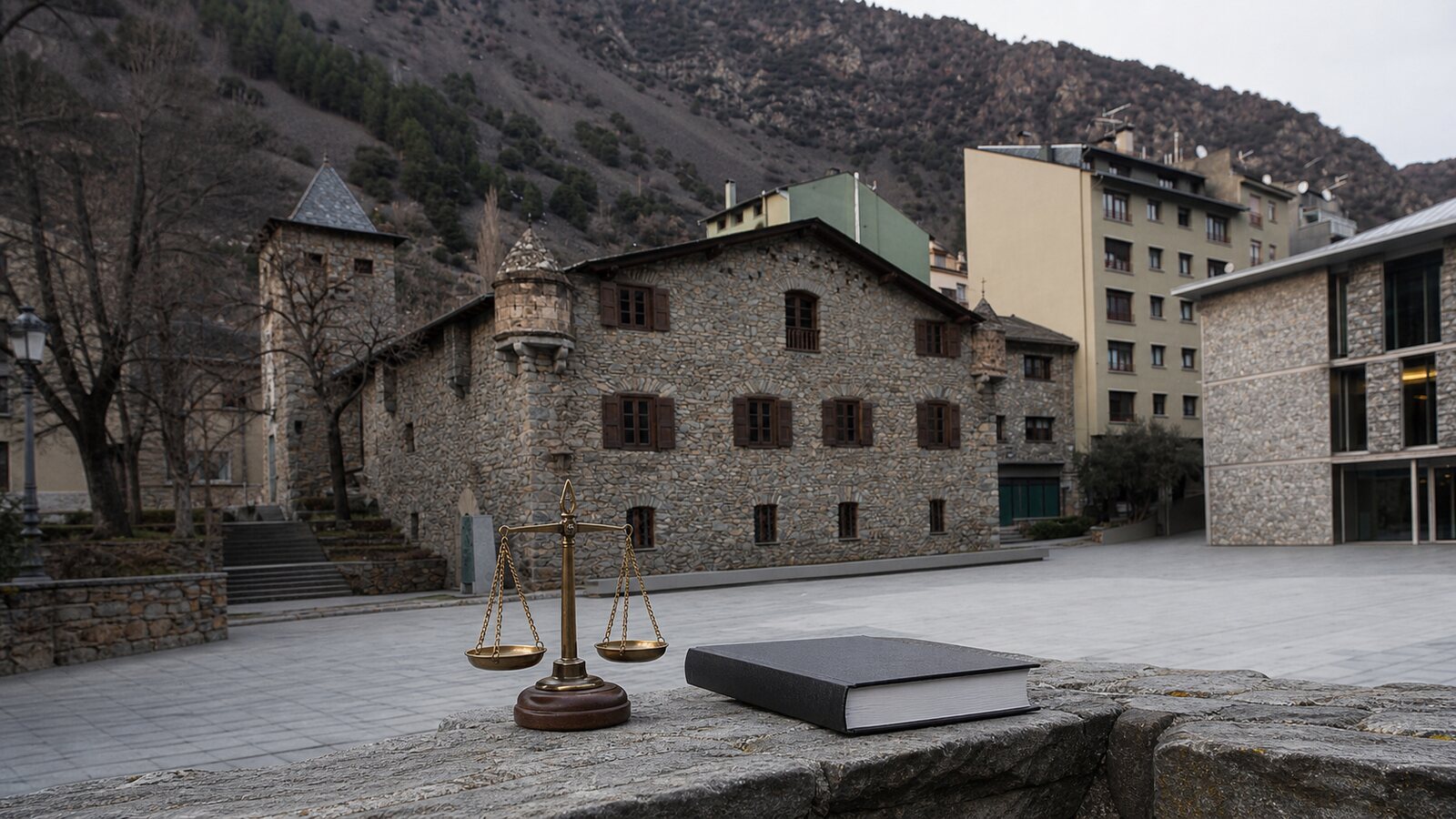
Sovereignty and justice
- Rulings of the EU Court of Justice (CJEU) become binding on Andorra (art. 96): EU law will be interpreted uniformly, above Andorran discretion.
- EU acts incorporated into the Agreement must be interpreted and applied in line with CJEU case law, both before and after signature (art. 85.2).
- The Agreement is not a bespoke regime: annexes I–XXV incorporate an extensive list of EU Directives, Regulations and Decisions that will apply in Andorra.
- Article 65 of the Constitution requires a two-thirds majority of the General Council to ratify treaties that transfer legislative, executive or judicial powers: the Agreement transfers all three.
- The agreement can be applied provisionally before ratification or a referendum. Current treaty law does not allow it, but that law can be amended by ordinary majority and open this path without a two-thirds vote in the General Council.
- Provisional application would already replace the 1990 Customs Agreement: the Andorra Protocol (Art. 4) states the new customs union "replaces and succeeds" it, and Framework Protocol 2 does not list it among the agreements that survive. Nothing guarantees it would revive if ratification ultimately failed.
- Critics argue the EU dictated the timelines and terms, leaving Andorra little room to negotiate.
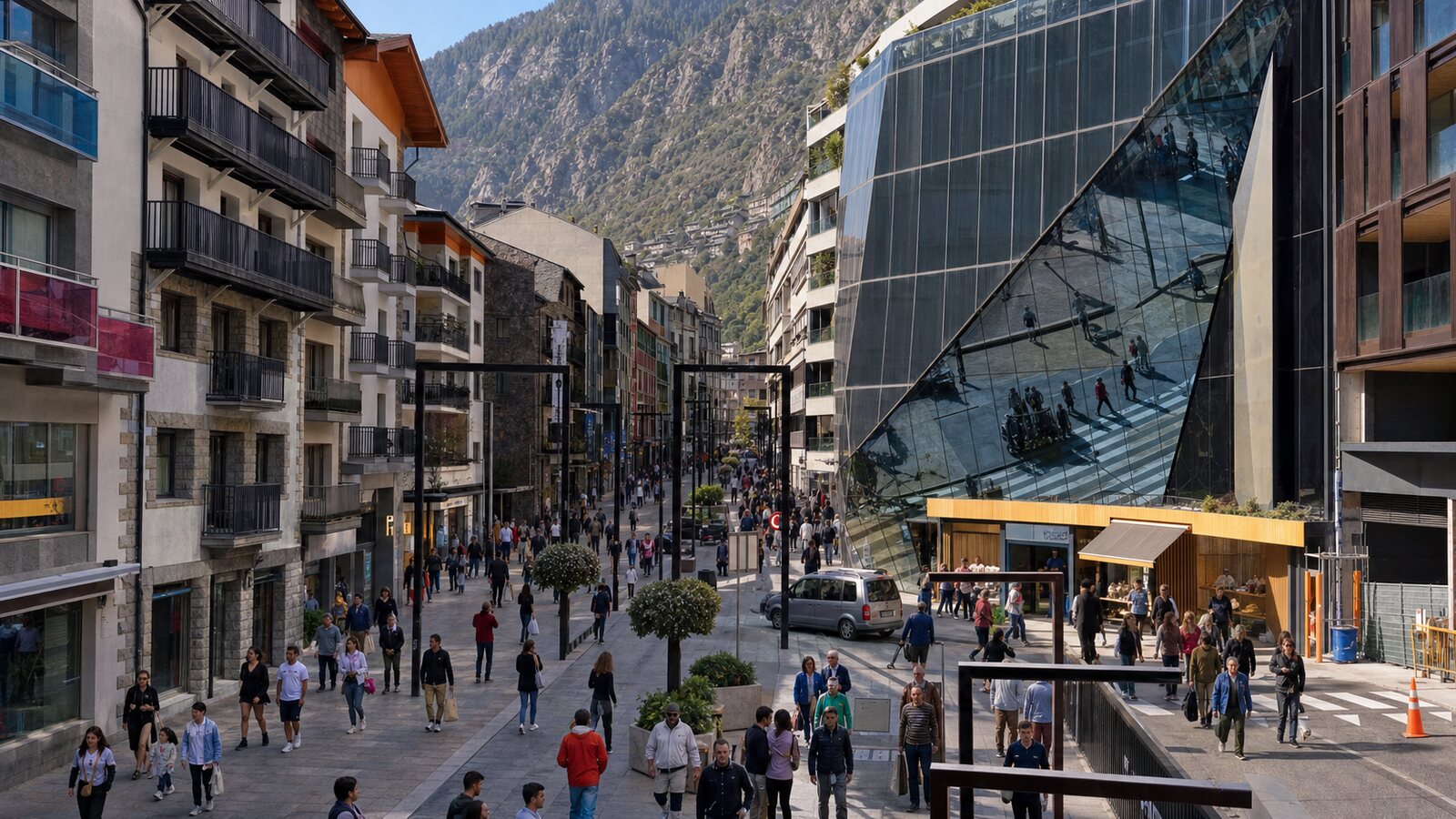
Immigration and population pressure
The agreement sets a minimum annual net increase in long-term residence permits for EU citizens (until 2037, according to the text):
| Minimum annual quota | |
|---|---|
| Andorra | 7% |
| San Marino | 3% |
| Liechtenstein | 1.5% |
- For economically inactive EU nationals, the minimum annual net increase in permits is 2.5%; for short-stay permits (12 months or less) with economic activity, 5% (Annex VIII).
- Directive 2004/38/EC (free movement and residence of EU citizens and their family members) is part of Annex VIII and is interpreted in line with CJEU case law (art. 85.2). The Secretary of State for Relations with the EU confirmed this publicly in August 2026.
- Family members of EU citizens legally residing in Andorra are entitled to a permit of the same validity; exhaustion of the annual quota cannot be invoked to refuse them, even if they want to take up economic activity.
- No residence permit is required for stays under 3 months if no employment or other permanent economic activity is exercised. Chapter IV of the Directive (permanent residence, generally after 5 years of continuous legal residence) applies in Andorra.
- The Agreement sets up no official criminal-record verification system: Annex VIII only adds a self-declaration of previous convictions. Criminal records alone cannot justify refusing residence (Directive 2004/38, art. 27.2); police-record information may be requested only in cases considered essential, not as a matter of routine (art. 27.3). Routine medical examinations cannot be required either (art. 29).
- An EU worker who becomes involuntarily unemployed retains worker status — and therefore residence — if they register with the competent employment service (art. 7.3 of the Directive).
- This pressure adds to the housing crisis and the strain on public services.

Housing and free movement of capital
- The agreement prohibits restrictions on the free movement of capital (art. 27): property purchases by EU residents cannot be limited, including secondary residences.
- This makes protective measures — such as favoring local residents in access to housing — difficult or impossible.
- San Marino secured protections in this area; Andorra did not.

Democratic process
- A negotiation perceived as rushed, without the protections other microstates obtained.
- In Andorra the referendum is neither mandatory nor binding: any “binding” character rests on a political commitment, not a constitutional obligation.
- Repeated delays of the referendum promised in the 2023–2027 election programme, while signature advances and provisional application is debated.
- The Agreement can be signed before the people are consulted, then put to ratification in an already conditioned setting.
- Polls show strong opposition or widespread indecision among citizens, with variation by group.

Mixed agreement and EU timeline
- The EU Council has confirmed that the Agreement is mixed: it needs ratification by the European Parliament and by the parliaments of all 27 member states — a process that can take years.
- That can place the Andorran consultation at the end of the chain, after other capitals have already spoken.
- The calendar has been shaped by external actors: months of blockage over Bulgaria’s reservation, Monaco’s earlier exit, or the pace set by San Marino and the EU; Andorra has had little real control over the timeline.
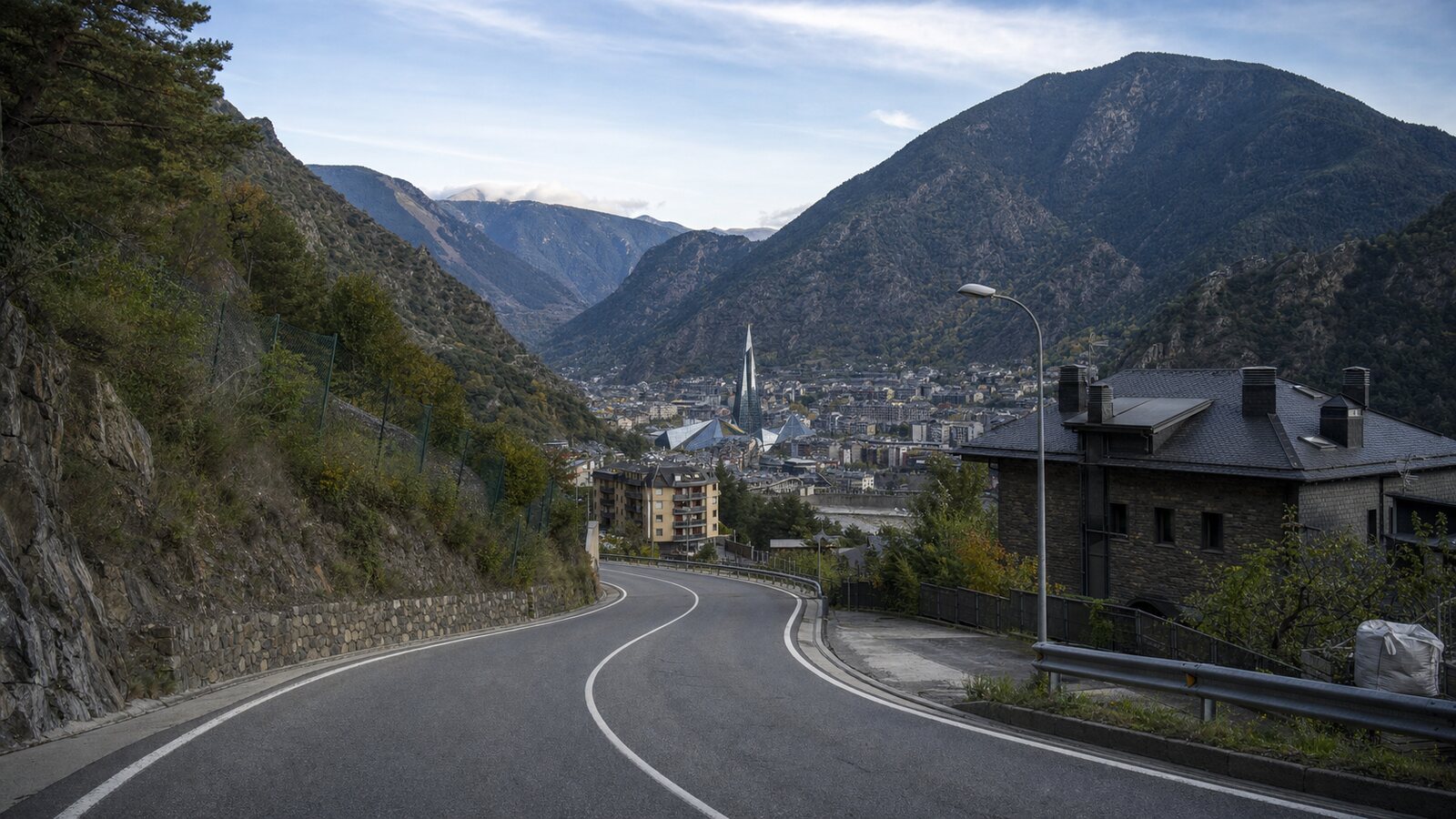
Where things stand (August 2026)
- The EU Council has approved the text and authorises signature and, at EU level, provisional application of parts of the Agreement.
- The Government says Andorra cannot apply the Agreement provisionally without General Council ratification after a referendum; critics warn that reforming the Law on Treaties could open that door.
- Likely steps: signature → (possible) provisional application at EU level → referendum and ratification in Andorra → ratifications in the 27 member states and the European Parliament → full entry into force.
- The Government has warned of possible European “retaliation” if a future executive shelves the Agreement after the 2027 elections; the opposition reads this as political pressure and demands substance and a date for the vote.
- In August 2026, the Secretary of State for Relations with the EU confirmed that Directive 2004/38/EC is part of Annex VIII and must be interpreted in line with CJEU case law (art. 85.2).

Agreement documents (PDF)
Official texts
Technical annexes (I–XXV)
- I · Food safety
- II · Technical regulations
- III · Product liability
- IV · Energy
- V · Free movement of workers
- VI · Social security
- VII · Professional qualifications
- VIII · Freedom of establishment
- IX · Financial services
- X · Services in general
- XI · Audiovisual communication
- XII · Free movement of capital
- XIII · Transport
- XIV · Competition
- XV · State aid
- XVI · Public procurement
- XVII · Intellectual property
- XVIII · Health and work
- XIX · Consumer protection
- XX · Environment and climate
- XXI · Statistics
- XXII · Company law
- XXIII · Customs
- XXIV · Agriculture
- XXV · Trade
Annex XIII (Transport) in the Council-approved version is missing from andorraue.ad; the earlier draft is provided. All other texts are the approved versions (July 2026).
EU Council texts (EN / FR)
Council decisions (2026)
English Agreement package
- ST 11787/1/24 REV 1
- ADD 1
- ADD 2
- ADD 3
- ADD 4
- ADD 5
- ADD 6
- ADD 7
- ADD 8
- ADD 9
- ADD 10
- ADD 11
- ADD 12
- ADD 13
- ADD 14
- ADD 15
- ADD 16
Country model and social fabric